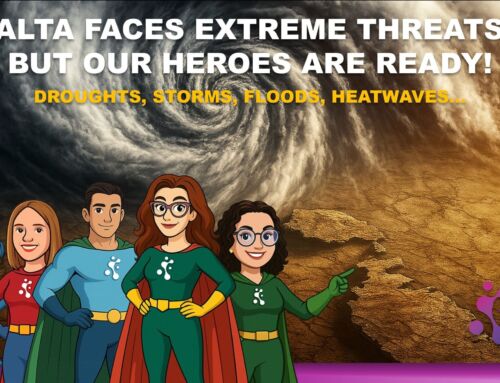
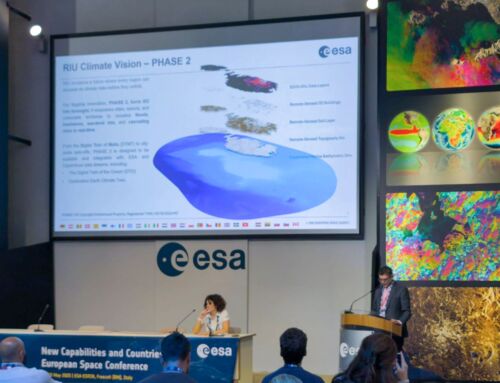
Malta, a small island in the heart of the Mediterranean, is uniquely vulnerable to the changing climate. Situated between Europe and North Africa, the island’s weather is influenced by several large-scale atmospheric and oceanic systems, many of which originate far from the Mediterranean. While Malta’s climate is typically mild, these global systems often bring extremes, such as heatwaves, droughts, and storms, that are becoming more frequent and intense with climate change.
The island’s climate is primarily shaped by phenomena like the El Niño-Southern Oscillation (ENSO), the North Atlantic Oscillation (NAO), the Atlantic Multidecadal Oscillation (AMO), the Mediterranean Oscillation (MO), the Arctic Oscillation (AO), the Indian Ocean Dipole (IOD), and Saharan Heat Waves. Each of these systems affects Malta in distinct ways, influencing both heat and precipitation patterns.
El Niño-Southern Oscillation (ENSO): Heatwaves and Storm Patterns
ENSO, originating in the Pacific Ocean, significantly impacts global weather patterns. Although Malta is far from the Pacific, ENSO influences Mediterranean weather, particularly during the El Niño and La Niña phases.
- El Niño typically leads to warmer, drier summers in Malta. During El Niño years, the Pacific warms, causing shifts in atmospheric circulation that can reduce rainfall and intensify heatwaves in the Mediterranean. Summers during strong El Niño phases often feature prolonged periods of extreme heat that can stretch on for weeks, increasing the risk of drought.
- Winters during El Niño are also impacted, often bringing milder conditions and fewer cold fronts. This reduces storm activity and leaves Malta with warmer-than-average winters, characterised by fewer rainy days.
On the other hand, La Niña, the opposite phase of ENSO, usually leads to cooler winters and a slightly higher chance of rainfall in Malta. However, La Niña’s influence on the Mediterranean is weaker than El Niño.
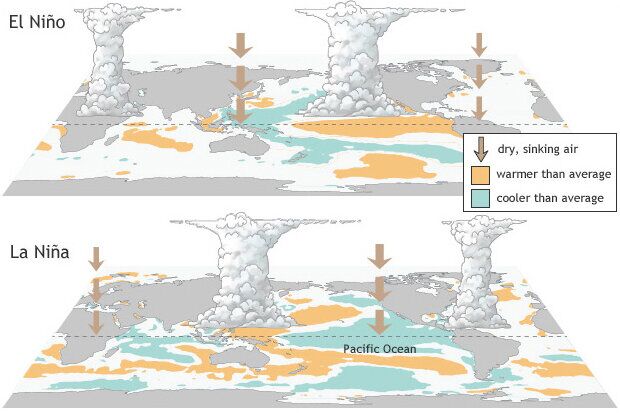
Diagram of El Niño-Southern Oscillation (ENSO) source online
North Atlantic Oscillation (NAO): Rainfall and Heat Extremes
The NAO plays a major role in determining the winter weather in Malta and much of Europe. It involves fluctuations in atmospheric pressure between the Icelandic Low and the Azores High, influencing wind patterns and storm tracks over the North Atlantic.
- Positive NAO phases tend to bring warmer, wetter winters to Malta. During these phases, the westerly winds strengthen, bringing Atlantic storms and increased rainfall to the region. However, the warm air associated with these systems also leads to milder winter temperatures, reducing the frequency of cold days.
- Negative NAO phases are linked to drier winters and can result in colder spells. Yet, in summer, a negative NAO phase can trap hot air over the Mediterranean, creating intense heatwaves. The lack of storm systems during negative NAO summers also increases the risk of prolonged dry spells.
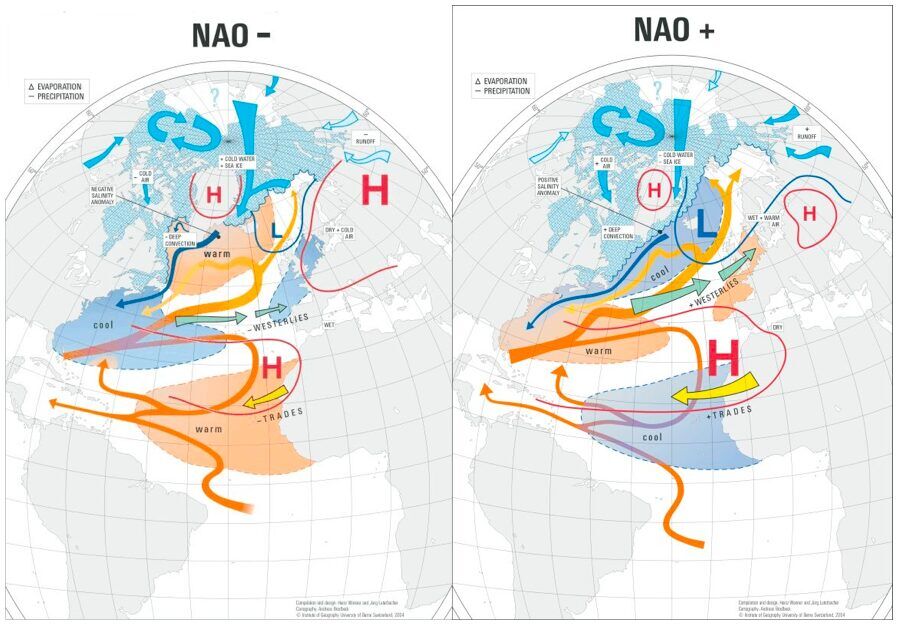
Diagram of North Atlantic Oscillation (NAO) source online
Atlantic Multidecadal Oscillation (AMO): Long-Term Heat and Drought Trends
Unlike ENSO and NAO, which operate on shorter timescales, the AMO works on decades-long cycles, spanning 60-80 years. This oscillation reflects long-term shifts in North Atlantic sea surface temperatures (SSTs), influencing regional and global climate patterns.
- Warm AMO phases are associated with higher temperatures and drier conditions in the Mediterranean. When the AMO is in its warm phase, Malta tends to experience long-term warming trends, especially during the summer months. This leads to more frequent heatwaves and worsens drought conditions, straining Malta’s limited water resources.
- During a cool AMO phase, the opposite occurs: Malta experiences cooler summers and possibly increased rainfall. However, these phases are rare, and recent decades have seen more warm AMO activity, which exacerbates climate change impacts in the region.
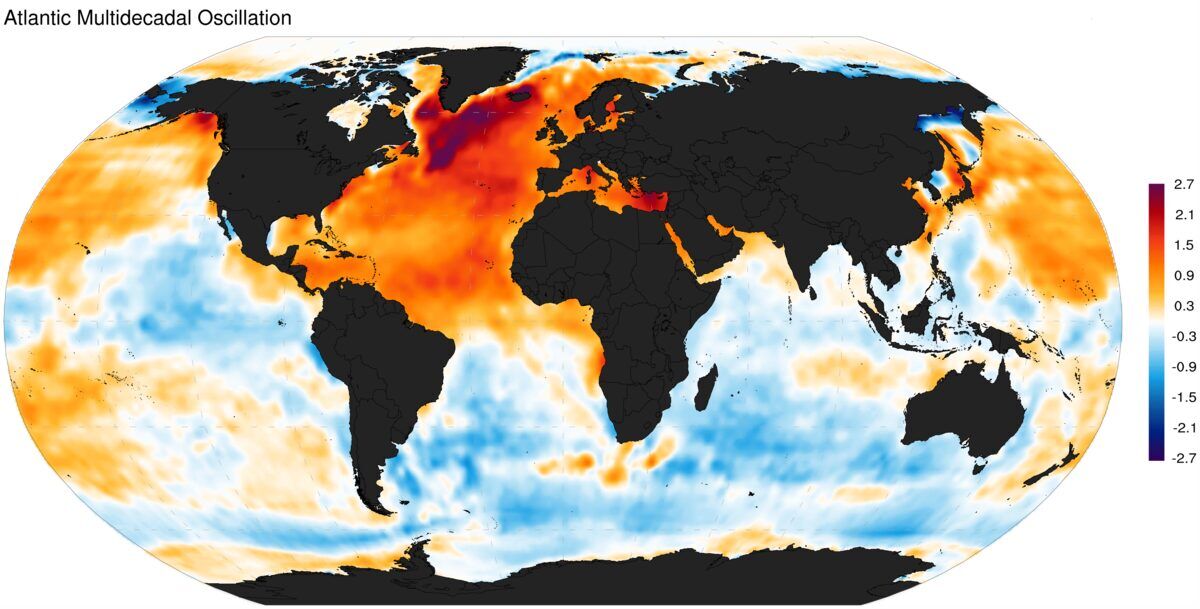
Visual of Atlantic Multidecadal Oscillation (AMO) source online
Mediterranean Oscillation (MO): Regional Climate Patterns and Storms
The Mediterranean Oscillation (MO) is a more regional phenomenon than ENSO or AMO. It is characterised by pressure differences between the western and eastern Mediterranean. MO influences the frequency and intensity of storms that hit Malta, as well as the distribution of rainfall.
- Certain phases of the MO can lead to dry, hot conditions, where high-pressure systems block cooler, stormy air from reaching Malta. This is particularly problematic in summer when Malta can experience extended heatwaves and droughts.
- Alternatively, when the MO shifts into a more storm-friendly phase, Malta may experience heavy rainfall events, which can lead to flooding but also replenish critical freshwater supplies.
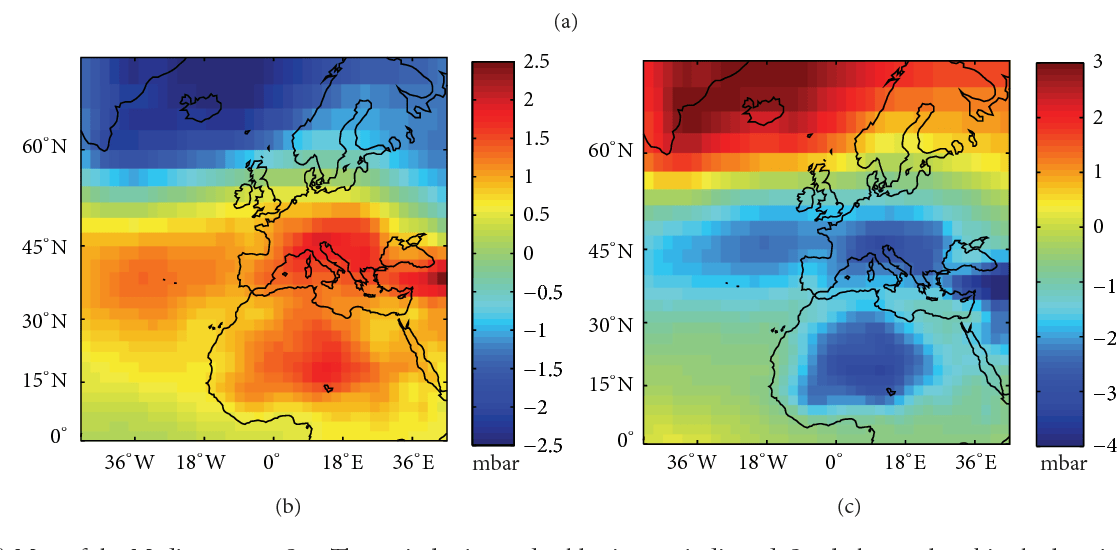
Visual of Mediterranean Oscillation (MO) source online
Arctic Oscillation (AO): Cold Winters and Hot Summers
The Arctic Oscillation (AO) influences the distribution of cold and warm air across the Northern Hemisphere. The AO operates similarly to the NAO, but on a broader scale, affecting winter weather patterns in both Europe and North America.
- During a positive AO phase, the polar jet stream stays further north, allowing warmer air to reach southern Europe, including Malta. This leads to mild winters and occasionally warmer-than-average summers as the warm air persists over the region.
- A negative AO phase, conversely, can bring cold air into southern Europe, leading to short cold spells in Malta during winter. However, this typically results in cooler, stormier winters.
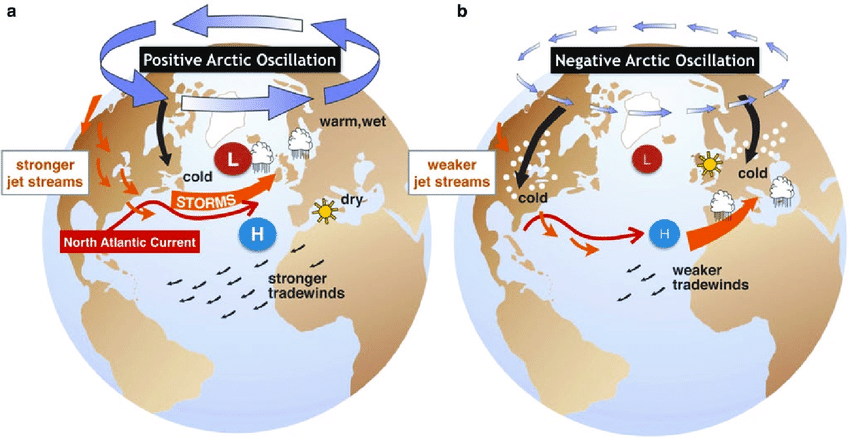
Visual of Arctic Oscillation source online
Indian Ocean Dipole (IOD): Remote Influence on Mediterranean Heat
Although the IOD primarily affects the Indian Ocean region, its influence on global atmospheric patterns can indirectly impact Mediterranean weather.
- A positive IOD phase, marked by warmer waters in the western Indian Ocean, can lead to drier and hotter summers in Malta. This occurs because the phase strengthens high-pressure systems that block cooler, moist air from reaching the Mediterranean, thereby intensifying heatwaves.
- While the IOD’s direct effects on Malta are limited, its global role in altering monsoon systems and jet streams means that Malta may experience additional heat stress during these positive IOD phases.
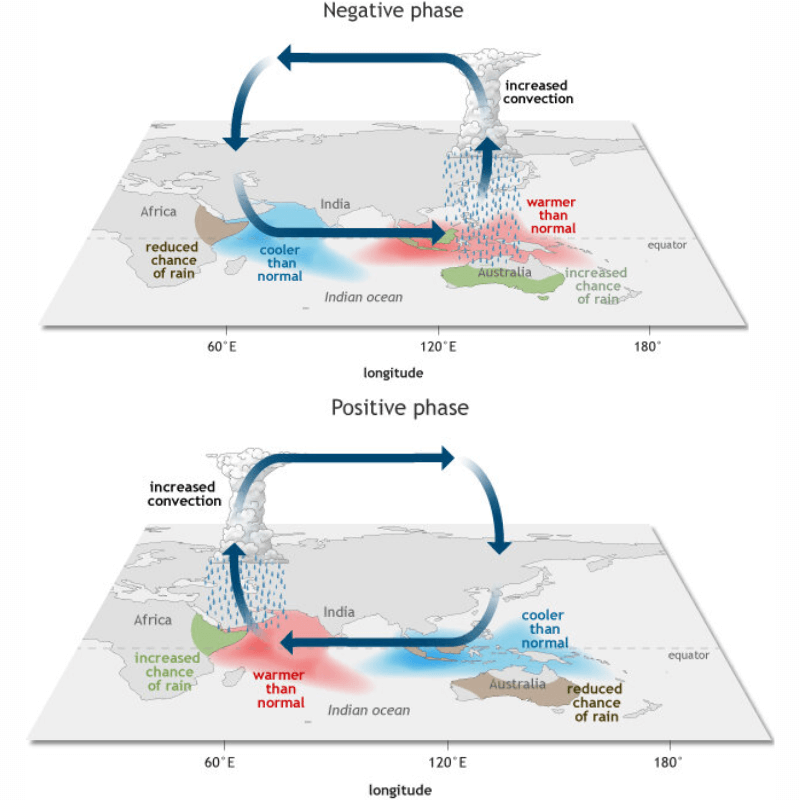
Visual of Indian Ocean Dipole (IOD) source online
Saharan Heat Waves and Dust Transport: Direct Heat Threats
Finally, Saharan heat waves and dust storms are an ever-present threat to Malta during the summer. These heatwaves occur when hot, dry air from the Sahara Desert is transported northward into the Mediterranean, driving temperatures significantly higher.
- Saharan heat waves often push summer temperatures in Malta above 40°C, creating dangerous heat stress for people and infrastructure. These heatwaves are typically accompanied by dust storms, which reduce air quality and visibility, posing health risks for residents, particularly those with respiratory issues.
- With climate change, the frequency and intensity of these Saharan heat events are expected to increase, compounding the already significant heat risks facing Malta.
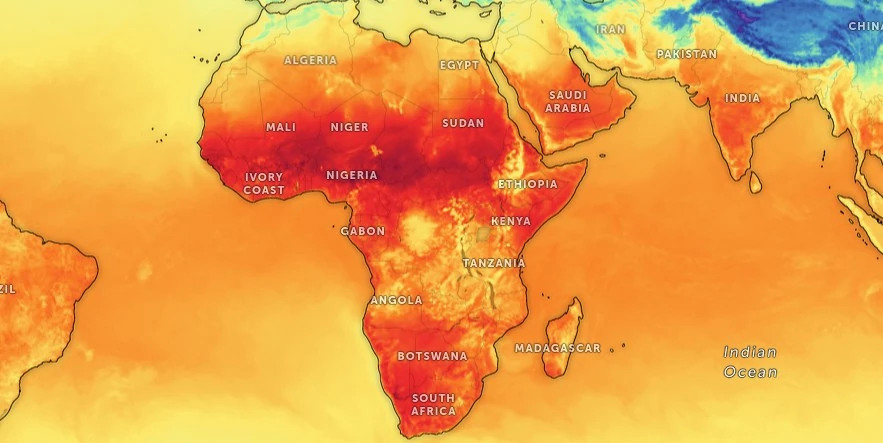
Visual of Saharan Heat Waves source online
Heat and Climate Extremes Converging on Malta
Malta’s climate is shaped by a multitude of global and regional climate forces, each bringing unique challenges. From the prolonged heatwaves triggered by El Niño and the drier conditions of the warm AMO phase to the intense summer heat of Saharan air masses, these phenomena are converging to create an increasingly unpredictable and extreme climate for Malta.
As the planet warms, understanding how these systems interact will be essential for Malta’s future. While adaptation and preparedness strategies are critical to managing heatwaves, droughts, and storms, increasing public awareness and scientific understanding of these climate drivers will be key to protecting Malta’s communities and environment.
Further Reading:
- University of Malta: How Will Malta be Impacted by Climate Change?
- Newsbook: How Climate Change Impacts Malta
- World Bank Climate Change Knowledge Portal: Malta – Climate Summary
- NOAA: North Atlantic Oscillation Overview
- Climate.gov: ENSO Impacts and Global Connections
- ScienceDirect: Saharan Heatwave and Mediterranean Impacts
These external sources provide in-depth information about the global climate drivers that influence Malta, helping us understand how these phenomena will shape the island’s climate in the years ahead.