The EU Mission on Adaptation to Climate Change supports European regions, cities, and local authorities in building resilience against climate impacts. By 2030, it aims to help at least 150 regions and communities become climate resilient. The Mission aligns with the EU’s adaptation strategy and the European Green Deal, providing knowledge, tools, and innovative solutions. It fosters collaboration among regions, research institutions, and businesses, with significant funding opportunities available through the Horizon Europe Work Programme 2023-2024.
The “Heatwave Chronicles” webinar, held on July 10, 2024, by the EU Mission on Adaptation to Climate Change, focused on developing strategies to enhance urban resilience against the increasing severity of heat waves due to climate change. With expert insights and interactive discussions, the event provided a comprehensive understanding of the challenges and potential solutions.
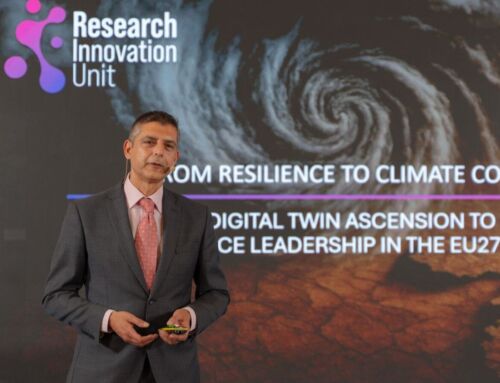
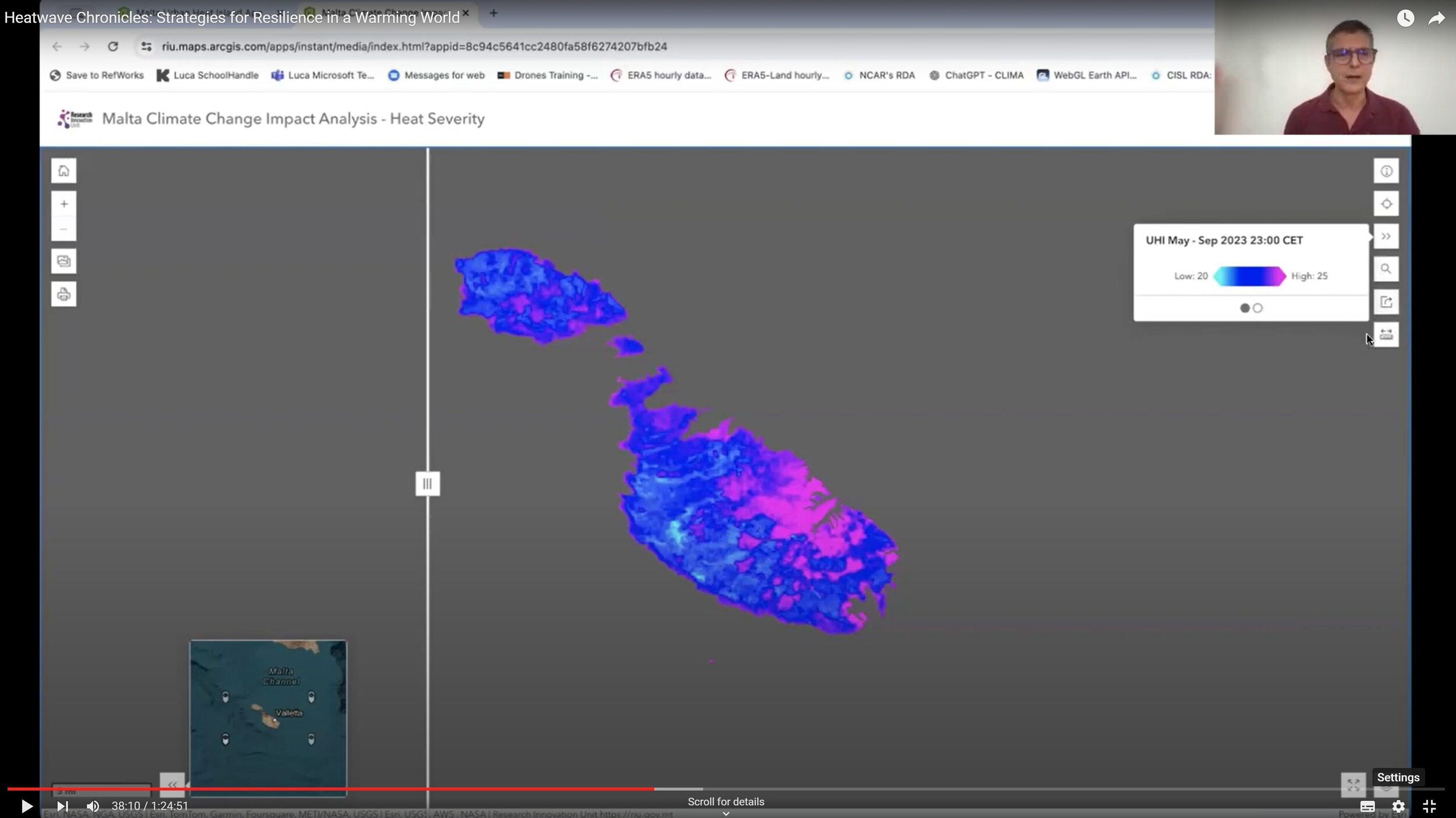
During this webinar Fabian Borg, head of the Research Innovation Unit, showcased his experience with Heat Severity and Urban Heat islands in Malta.
Webinar Highlights
Urban Heat Island (UHI) Effect:
Silvia Iodice’s presentation highlighted the UHI effect, where urban areas experience significantly higher temperatures compared to their rural counterparts. This phenomenon is exacerbated by factors like high infrastructure density and sealed surfaces, leading to increased heat retention.
Case Studies and Best Practices:
Case studies from cities like Milan, Barcelona, and Turin showcased effective strategies for mitigating heat impacts. Barcelona’s climate shelters and Turin’s green infrastructure projects were noted as exemplary initiatives. These cases emphasized the importance of integrating green spaces, water features, and retrofitting buildings to create cooler urban environments.
Strategic Recommendations:
Key recommendations included:
- Green Spaces: Increasing urban greenery to reduce heat absorption.
- Cooling Centers: Establishing climate shelters for vulnerable populations.
- Data-Driven Policies: Using measurable indicators and mapping tools to guide policy decisions and monitor effectiveness.
- Community Engagement: Ensuring community involvement in planning and implementing heat mitigation strategies.
The webinar underscored the urgent need for integrated, science-based approaches to enhance urban resilience against heatwaves. By leveraging innovative solutions, fostering community engagement, and implementing targeted interventions, cities can better prepare for and mitigate the impacts of extreme heat events.
For more details, visit EU Mission on Adaptation to Climate Change.