Project Description
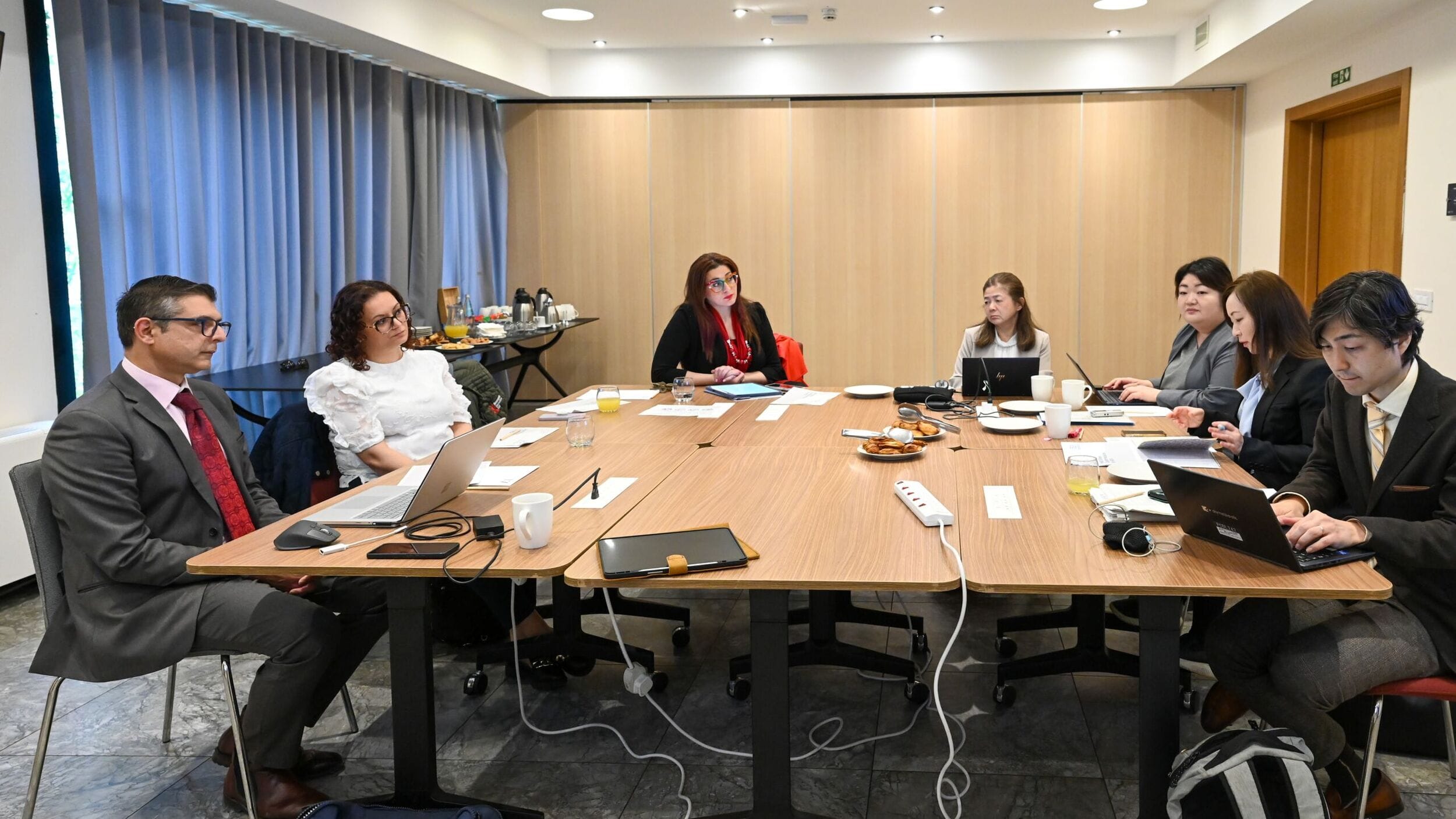
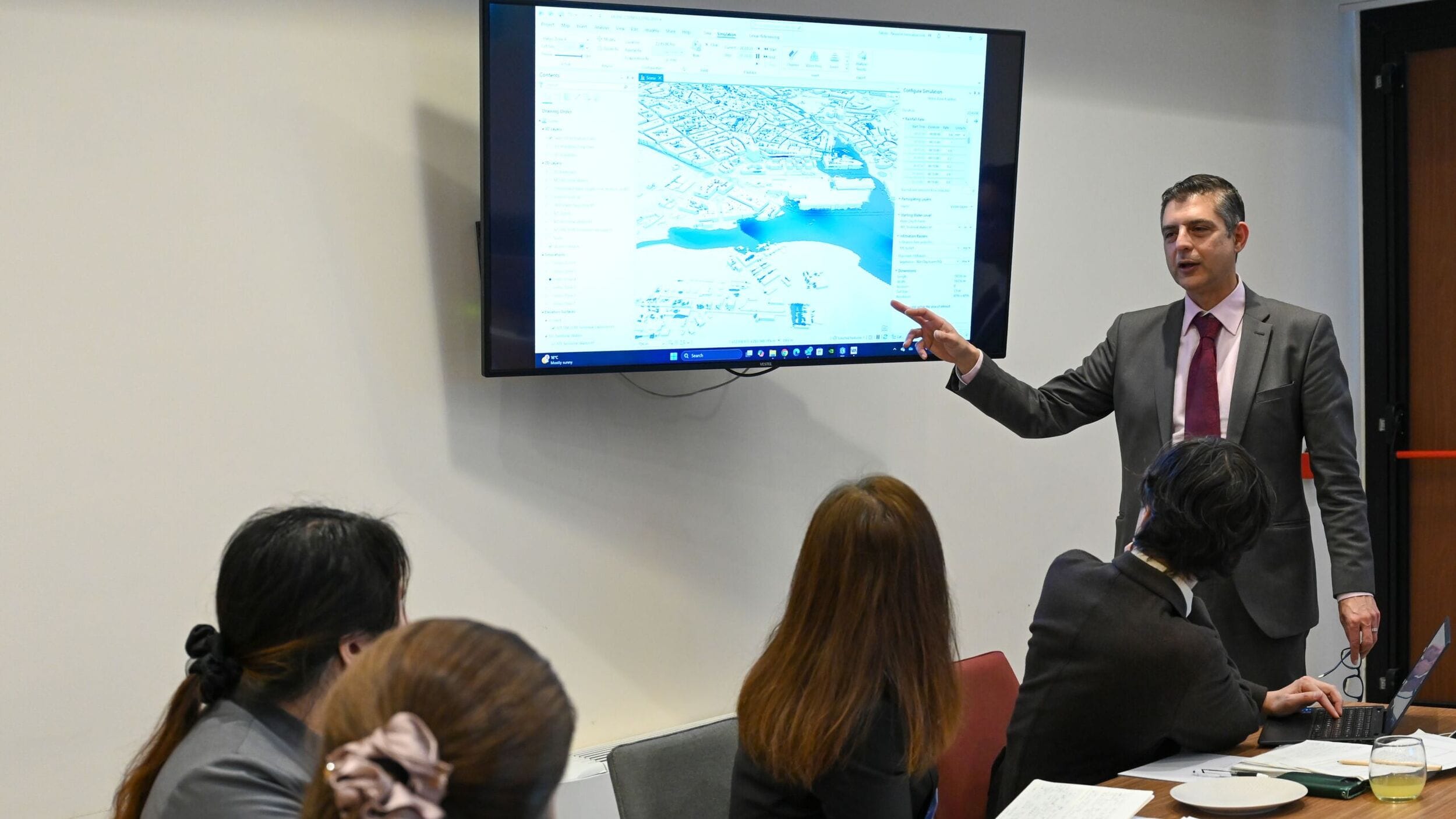
The Research Innovation Unit has successfully brought the Eastern and Port Regional Councils of Malta to sign the charter for the EU Mission on Adaptation to Climate Change
The Mission on Adaptation to Climate Change focuses on supporting EU regions, cities and local authorities in their efforts to build resilience against the impacts of climate change. The Mission contributes to putting the EU’s adaptation strategy in practice by helping the regions to:
- better understand the climate risks they are and will be confronted with in the future
- develop their pathways to be better prepared and cope with the changing climate
- test and deploy on the ground innovative solutions needed to build resilience
The Mission’s objective is to accompany by 2030 over 300 European regions and communities towards climate resilience.
The need for the mission explained:
Climate change affects regions, sectors of the economy and members of society in many ways, and EU regions and cities have different climate vulnerabilities and levels of preparedness. Adapting to climate change means taking action to prepare for and adjust to both the current effects of climate change and the predicted impacts of the future. Despite all continuing efforts to reduce emissions and to achieve carbon neutrality, a warmer climate can’t be avoided anymore and we need to be better prepared to cope with the inevitable effects of climate change, adapting our way of living. We must step up action both to cut emissions and to build our resilience. The Mission will also help deliver the European Green Deal
From deadly heatwaves and devastating droughts to wildfires and coastlines eroded by rising sea levels, climate change is already taking its toll in Europe. They affect not only the environment and economy, but also the health of Europeans. The frequency and severity of climate and weather extremes is increasing so we need to speed up solutions that build climate resilience. The Mission Adaptation aims to support at least 150 regions and communities in accelerating their transformation towards climate resilience by 2030. It will help these regions and local authorities to better understand, prepare for and manage climate risks, as well as to develop innovative solutions to build resilience.